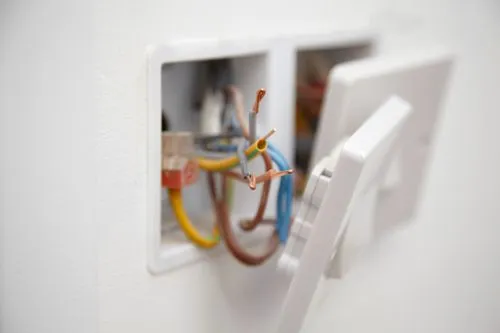
Each EICR code explained in plain words, from C1 to FI, with which ones make a report unsatisfactory and what you should do about each one.
Blog
What do the C1, C2 and C3 codes on an EICR mean?
Polaris Electrical

An EICR (Electrical Installation Condition Report) gives every problem the electrician finds a code that says how urgent it is. C1 means danger is present now, C2 means potentially dangerous, and C3 means an improvement is recommended. A C1 or C2 makes the whole report unsatisfactory. A C3 on its own does not.
This post explains what each code means, what an FI note is, what to do about each one and how to tell whether a code has been given fairly. Reading your report is the part you can do yourself. Nothing here asks you to open your consumer unit or touch any wiring.
What an EICR is and why it uses codes
An EICR is a check of the fixed wiring in your home: the consumer unit (the box that holds your fuses or circuit breakers), the circuits, sockets, switches, light fittings and earthing. The electrician inspects and tests it against BS 7671, the UK's wiring regulations.
Landlords in Wales must have one done at least every five years. Homeowners are usually advised to have one about every ten years, and when they move into a new home.
Each problem goes into the report's list of observations with a code. The codes mean any electrician, landlord or buyer can read the report the same way.
C1 means danger is present
A C1 means someone could be hurt right now. Typical examples are a broken socket with live parts you could touch, or a fitting that has burnt or melted.
A C1 shouldn't be left for later. With your agreement, the electrician should make it safe before leaving, either by repairing it there and then or by switching off and isolating the circuit. If a circuit has been isolated, don't switch it back on until it has been repaired.
C2 means potentially dangerous
A C2 isn't dangerous this minute, but it would become dangerous if a fault developed. Common examples include:
main earthing that isn't good enough, or missing bonding (the earth cables clamped to your gas and water pipes)
sockets that could be used for outdoor equipment with no RCD, a safety switch that cuts the power if current leaks to earth
signs of overheating at a connection or accessory
Treat a C2 as urgent. Book the repair now rather than waiting for the next inspection.
C3 means an improvement is recommended
A C3 means something doesn't meet the current regulations, but it isn't dangerous. Older plastic consumer units and some circuits without RCD protection are often given a C3, because newer homes would be built differently today.
A report with only C3s is satisfactory, and you don't have to act on them. They are still useful for planning. If you're renovating or adding circuits, it can make sense to deal with them at the same time, for example through a consumer unit upgrade. If your report mentions an old fuse box, our post on whether you need to replace your old fuse box explains what you can check safely.
FI means further investigation
FI is used when the electrician has seen something that might be a problem but couldn't confirm it during the inspection. It might be an odd test reading on a circuit they couldn't fully trace, or wiring hidden under a floor.
The rules on FI changed this autumn. Under the current edition of the wiring regulations, BS 7671 Amendment 4, which became the only valid edition on 15 October 2026, an FI no longer makes a report unsatisfactory by itself, and the wording is now "further investigation is advised". On reports written to the earlier edition, an FI did make the result unsatisfactory.
Either way, don't ignore it. An FI is an open question about your wiring, and fault finding is how it gets answered.
Reading the summary of your report
Near the front of the report you'll find the overall result: satisfactory or unsatisfactory. Then check these parts:
the list of observations, with a code against each one
the date the electrician recommends for the next inspection, which can be sooner than usual for an older installation
the limitations, meaning parts that weren't inspected, such as wiring under fixed flooring
A limitation isn't a fault, but it does mean that part of your home hasn't been checked.
How to tell whether a code is fair
Coding involves judgement, and most electricians follow the same industry guidance from Electrical Safety First. Two things are worth watching for. One is a report full of C2s for things that are simply old rather than unsafe, followed by a large quote for a rewire. The other is the opposite: a satisfactory report done in a hurry with few test results.
A fair report explains each observation in plain words, so you can see why it was coded the way it was. Ask the electrician to explain any code you're unsure about. A good one will be happy to. If you still have doubts, getting a second opinion is reasonable. One customer who asked us to check another company's work wrote that they were "very happy with his honesty and integrity in checking".
How we carry out an EICR
At Polaris Electrical we code every observation on the regulations and the facts, never to create work. If your wiring is old but safe, we'll tell you so. If something is dangerous, we'll tell you that too, even when it isn't what you hoped to hear. You get the full electronic test certificate before we leave, and if work is needed we'll explain what is urgent and what can wait.
If your home is due an inspection, or you'd like a second look at the codes on a report you already have, Polaris Electrical can help across Barry and the Vale of Glamorgan. You can book through our electrical testing and certification service.
Got an EICR due, or a report you're not sure about?
We'll inspect your home, code every observation honestly against the regulations and give you your full electronic certificate before we leave.
Other Articles