Blog
Do I Need to Replace My Old Fuse Box? Checks You Can Make Safely
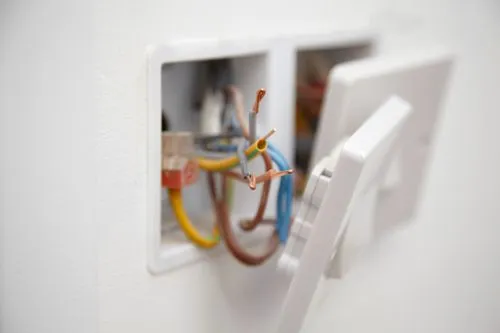
An old fuse box can look worn without telling you whether it is unsafe, and a newer looking unit is not automatically problem free. The useful first step is to note what you can see and how the installation behaves, without opening the enclosure or touching its wiring.
Start with what is visible
Look at the front of the unit, keeping the cover in place. Note whether it has pull-out fuse holders, switches marked for individual circuits, or test buttons. If there is a label or circuit chart, check whether it clearly identifies areas of the home such as lighting, sockets or the cooker. Missing or unclear labels are worth mentioning to an electrician, but they do not prove that the unit needs replacing.
You can also look for visible damage around the enclosure: cracks, scorch marks, discolouration or signs that the cover is loose. Do not remove the cover to investigate. A consumer unit (the modern name for a fuse box) can contain live parts even when a circuit is switched off, so internal inspection is not a DIY check.
Check for RCD test buttons
Some consumer units have a test button marked with a letter such as T. This may be on an RCD, a device designed to cut power when it detects certain electrical leakage. Its presence is useful information, but it does not by itself confirm that every circuit has the protection it needs or that the whole installation is in good condition.
If you find a test button, follow the instructions on the unit or its manufacturer’s guidance. The button should operate the device, which will interrupt power to the circuits it protects. Make sure you understand what may switch off before testing, and do not force a switch that will not reset. If the test button does not operate the device, or power does not return after a straightforward reset, stop there and arrange professional advice.
Some installations have a different arrangement, with protection built into the switches for individual circuits. So, not finding one obvious test button is not enough to judge the whole board. Record what you can see rather than trying to identify or test internal components.
Notice patterns, not just one-off trips
A circuit that trips repeatedly deserves investigation. Write down which switch moves, what loses power and what was being used at the time. If the problem occurs only when one particular appliance is connected, that detail can help narrow down the cause. If it affects several circuits or happens without an obvious trigger, record that too.
A trip is a protective response, not a diagnosis. The cause could relate to an appliance, the wiring or a protective device. Repeatedly resetting a switch without understanding why it has operated can leave the underlying fault unresolved. Do not keep trying to restore power if the device trips again, or if you notice heat, a burning smell, buzzing or visible damage. Keep clear of the unit and seek help from an electrician.
Know where the DIY check ends
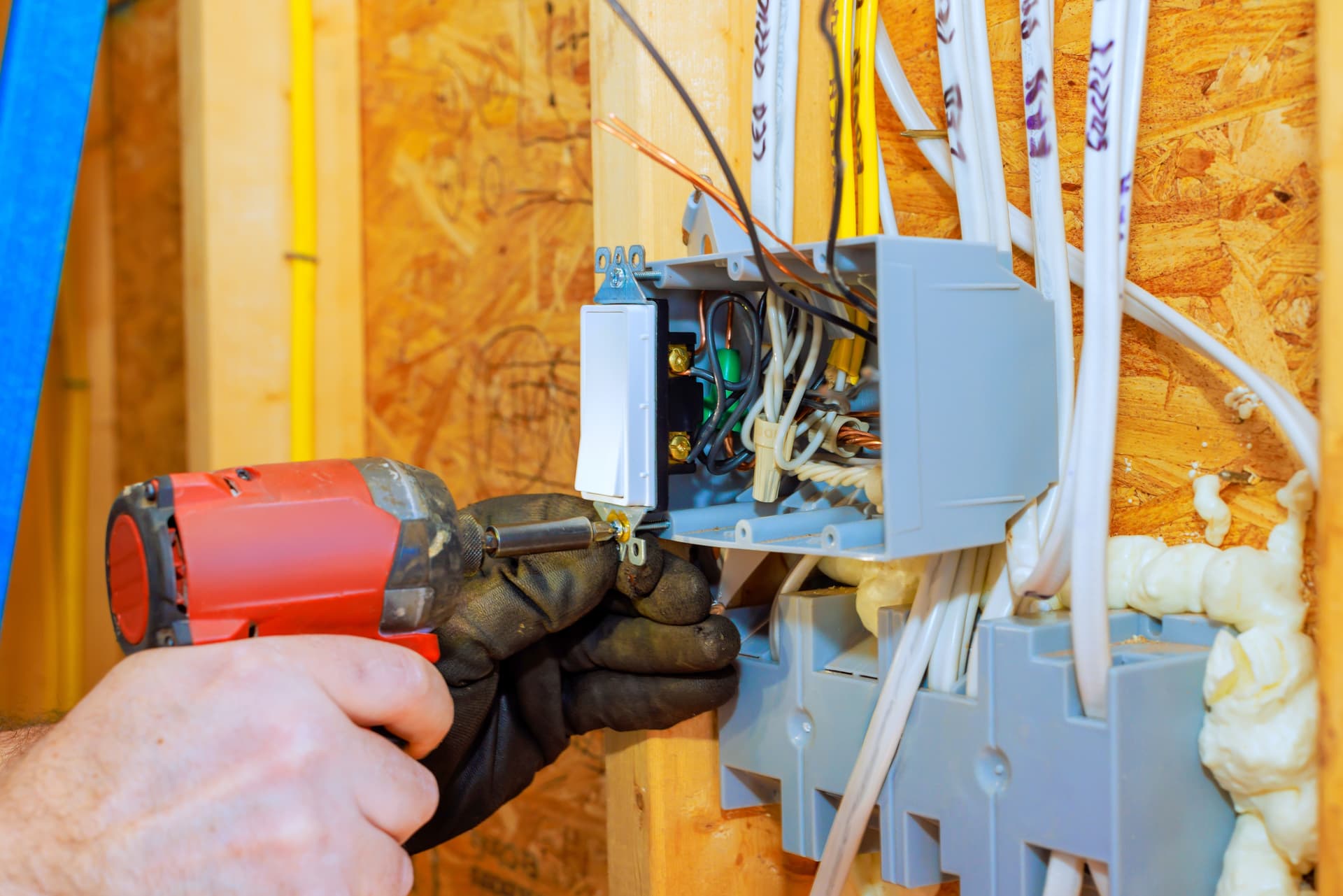
Do not remove the consumer unit cover, replace fuse wire, alter circuit connections or attempt to fit a new device. Do not assume that switching off the main switch makes the inside safe to touch. These checks are for gathering useful observations, not for carrying out electrical work.
When you ask for an assessment, share the unit’s visible features, any labels, which circuits are affected and what happened before a trip. Photos of the closed unit can help explain what you are seeing, provided you do not move covers or obstruct access. An electrician can then inspect the installation and consider the condition of the unit, the protection provided, the circuits connected to it and how the household uses them.
Turn your observations into a clear next step
A fuse box with no obvious RCD protection, repeated unexplained trips or visible damage should be assessed rather than judged from appearance alone. The decision to repair, investigate further or replace the consumer unit depends on the findings at the property. Replacing the box without understanding the condition of the circuits may not address the reason a problem is occurring; conversely, a tidy exterior is not proof that the installation is suitable.
For homeowners in Cardiff, we can discuss the observations you have made and assess whether a consumer unit upgrade is appropriate. Read more about our Domestic Electrical Work or contact us to talk through what you have found. Here at Polaris Electrical, we can help you get a clearer picture without asking you to inspect live electrical parts yourself.
Other Articles